Reel Configurations That Power Tiered Rewards and Progressive Accumulations on Authorized Platforms
Anna Lange · Sep 8, 2026

Reel Configurations That Power Tiered Rewards and Progressive Accumulations on Authorized Platforms
Slot reel configurations operate through precise symbol weighting and payline algorithms that determine outcomes on each spin, and these same systems often connect directly to loyalty frameworks where player activity feeds into tiered reward structures that contribute portions of wagers to progressive pools. Licensed platforms maintain regulatory compliance by tracking every reel cycle, ensuring that contributions from base game bets accumulate across multiple sites or operators without violating jurisdictional rules. Data from industry reports shows that reel mechanics incorporate random number generators calibrated to specific return-to-player percentages, while loyalty tiers classify users based on cumulative play volume, triggering higher contribution rates as participants advance through bronze, silver, gold, and platinum levels.
Core Reel Mechanics and Their Role in Pool Contributions
Reels function via virtual strips containing weighted symbols, where each position corresponds to a probability distribution that affects hit frequency for standard wins and jackpot triggers. When a player places a bet, a fixed percentage routes automatically into the progressive pool, yet this percentage scales according to the user's current loyalty tier, creating layered funding streams that accelerate pool growth at higher levels. Observers note that multi-reel setups with five or more columns allow for complex bonus features like cascading symbols or expanding wilds, and these features generate additional wager volume that compounds the contributions feeding progressive systems. Research indicates that platforms licensed in various regions calibrate reel volatility to balance frequent small payouts with rarer large accumulations, ensuring steady pool inflows throughout operational periods including September 2026 when several operators reported updated compliance filings.
Loyalty Tier Structures and Their Integration Points
Tier progression relies on points earned through reel spins, where each spin logs activity metrics such as total stake amount and session duration before converting into tier status. Higher tiers unlock elevated contribution multipliers, meaning a platinum-level participant directs a larger fraction of every bet toward the shared progressive pool compared with entry-level users. Those who've examined platform architectures find that these multipliers attach directly to the backend accounting layer, separate from the visible reel display yet synchronized with every outcome generation cycle. Case examples from regulated environments illustrate how a single high-tier session can add thousands to a pool through repeated spins, and this process repeats across thousands of concurrent sessions worldwide.
What's interesting involves the synchronization between reel state changes and loyalty point updates, because both systems must update in real time to prevent discrepancies that regulators could flag during audits. Platforms achieve this through centralized databases that record reel results alongside tier adjustments, allowing seamless escalation of contribution rates as players climb tiers. And here's where the mechanics deepen: certain reel features, such as bonus rounds triggered by specific symbol combinations, award extra points that accelerate tier movement, thereby increasing future pool contributions from that same player.
Progressive Pool Mechanics Across Multiple Platforms
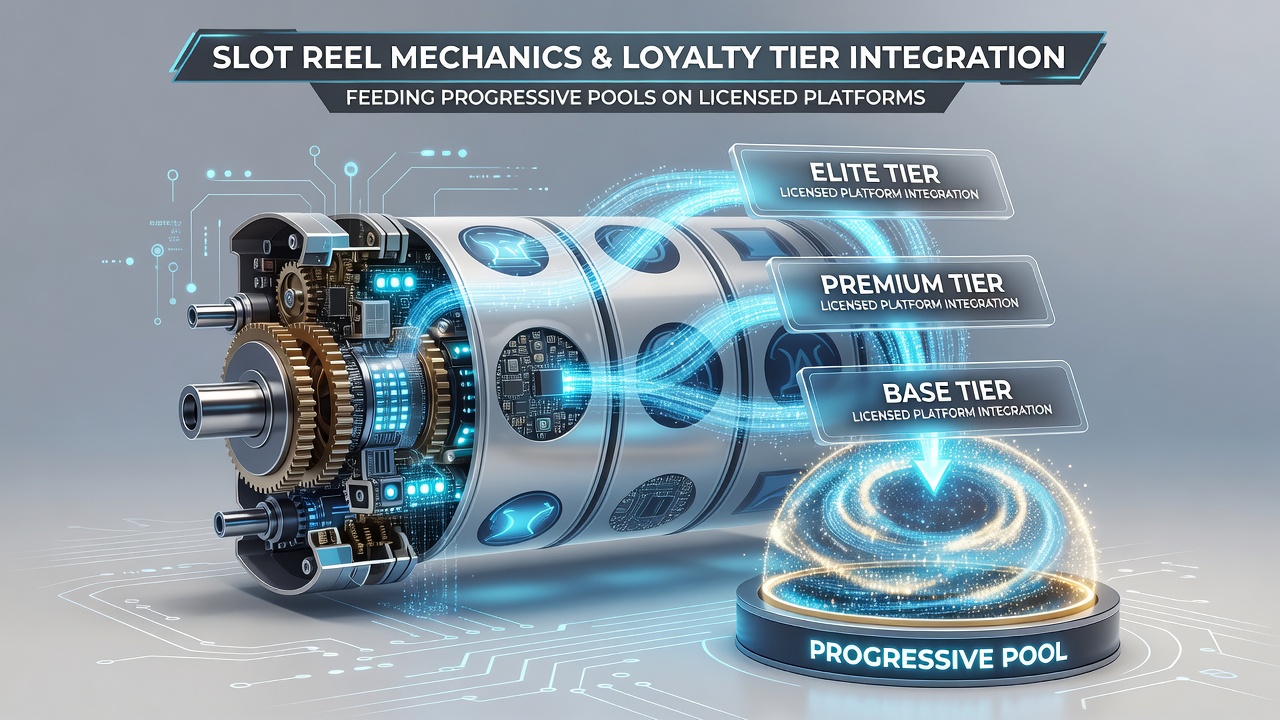
Progressive pools aggregate contributions from numerous licensed operators, and reel mechanics determine the exact wager portion allocated at the moment of each spin. According to figures from the Nevada Gaming Control Board, similar systems in authorized jurisdictions maintain separate tracking for base game versus feature game contributions, ensuring that loyalty tier adjustments apply uniformly across both. This structure permits pools to grow continuously, with seed amounts resetting after major wins while ongoing reel activity replenishes reserves at rates tied to player tiers. Studies from academic sources such as those published through the University of Nevada's gaming research center reveal that higher-tier players account for disproportionate pool growth because their elevated multipliers compound over extended play sessions.
But here's the thing: reel configurations must accommodate varying bet sizes across different tiers without altering core randomness, so developers embed tier-specific contribution logic into the game server rather than the client-side reel display. This separation keeps outcomes fair while directing larger shares from premium accounts into the pool. External links to regulatory data, including reports from the Australian Communications and Media Authority, confirm that such layered funding models operate under strict oversight to maintain transparency for all participants.
Regulatory Compliance and Technical Safeguards
Licensed platforms implement encryption protocols and independent testing for both reel generators and loyalty tracking modules, verifying that tier-based pool contributions occur exactly as programmed. In September 2026, several operators across multiple regions completed system upgrades that enhanced real-time auditing of these integrated mechanics, reducing potential for calculation errors during high-volume periods. Those who've studied compliance frameworks observe that third-party laboratories certify reel randomness separately from loyalty algorithms, yet both must demonstrate interoperability during joint inspections. Data shows that failures in either component trigger immediate investigations, prompting corrective actions before further play continues.
Examples of Integrated Systems in Operation
One documented implementation involves a five-reel slot where scatter symbols not only activate free spins but also award loyalty points scaled by current tier, directly increasing the contribution rate applied to subsequent bets. Another case from European regulated markets demonstrates how cascading reel mechanics generate multiple outcomes per spin, each logging separate contributions that accumulate faster for advanced tier users. These examples illustrate the practical linkage between visual reel events and backend pool funding without altering player-facing probabilities.
Conclusion
Reel mechanics, loyalty tier systems, and progressive pool funding operate as interconnected components on licensed platforms, with each spin feeding data into tier calculations that adjust contribution levels accordingly. Regulatory bodies from diverse regions enforce standards that maintain fairness while permitting these layered structures to function across extended operational timelines. The technical precision required ensures that pool growth remains consistent and auditable, supporting the broader ecosystem of authorized gaming activities.